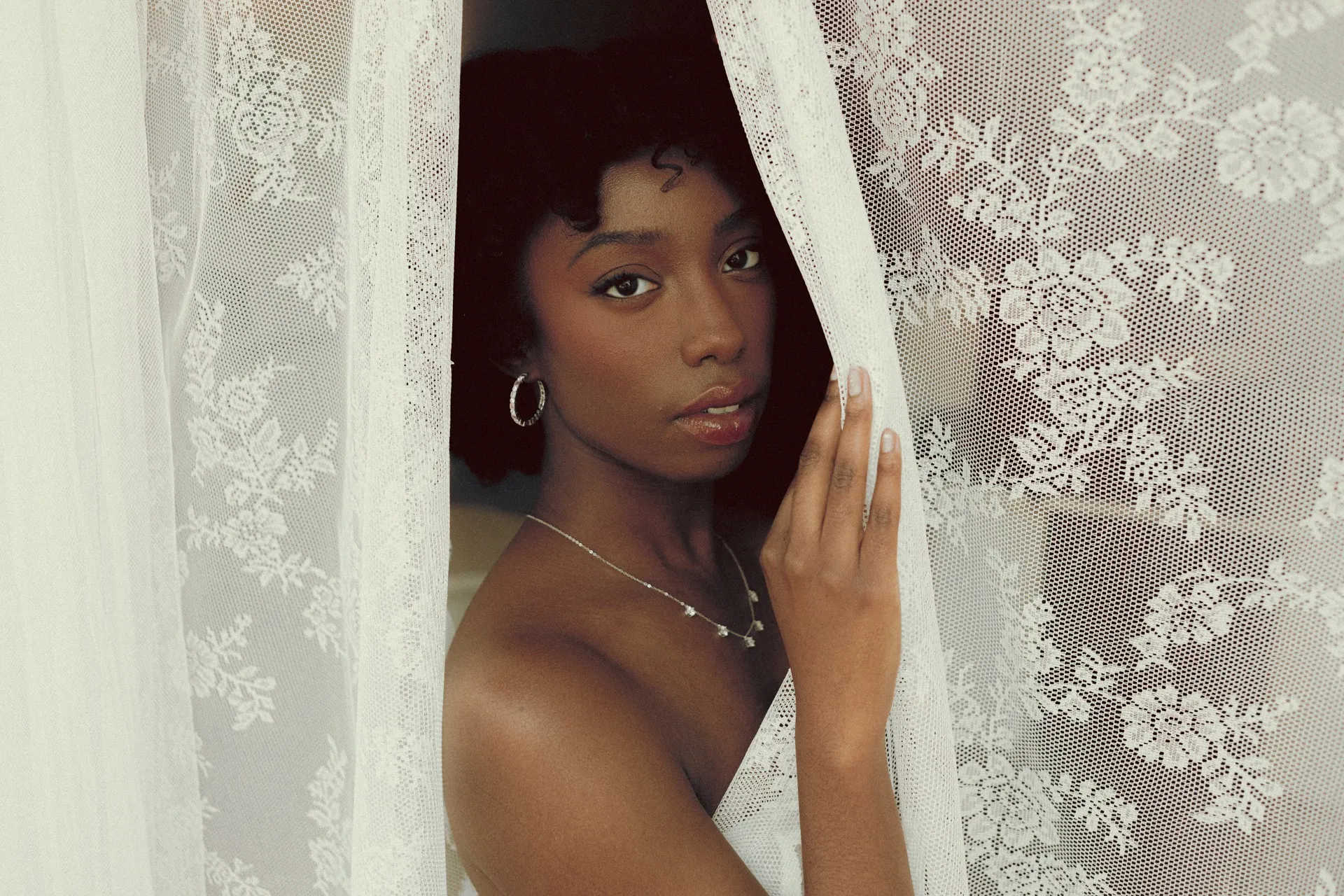
Jewelry layering is an art — but it follows a formula. Once you understand the basics, what looks effortlessly styled actually comes from a few simple principles applied consistently.
This guide breaks down everything: how to layer necklaces at different lengths, how to stack rings across fingers, which earring combinations work together, and how to build a bracelet stack that feels intentional rather than random. Plus, how to adapt your layering for different occasions.
TL;DR — 3 golden rules of layering:
- Vary the length or size of each piece so everything sits at a distinct visual level.
- Mix textures — combine chunky and delicate, plain chains and pendants, smooth bands and textured ones.
- One statement piece per look — let everything else support it rather than compete.
The Golden Rules of Jewelry Layering
Before touching specific jewelry types, these principles apply to every category:
Vary the scale. Mix a delicate piece with a chunkier one. If every item in the stack is the same weight and thickness, the look becomes monotonous. The contrast between a thin chain and a bolder pendant creates visual rhythm.
Mix textures intentionally. Combine different finishes — a smooth polished piece with a hammered or matte one, a plain band with a pavé-set one. Textural contrast adds depth that photographs beautifully and reads as curated in person.
One statement, multiple supporting pieces. Choose one focal point per category — one statement ring, one chunky pendant, one bold bracelet — and let the other pieces frame it. When everything competes for attention, nothing stands out.
Keep balance across the body. Heavy earrings work better with minimal necklaces. A statement necklace pairs with understated ear studs. A fully stacked arm is easier to pull off with simpler rings and earrings. Think of your look as a whole, not category by category.
How to Layer Necklaces
Necklace layering is the most visible and impactful form of jewelry stacking. Here is the framework:
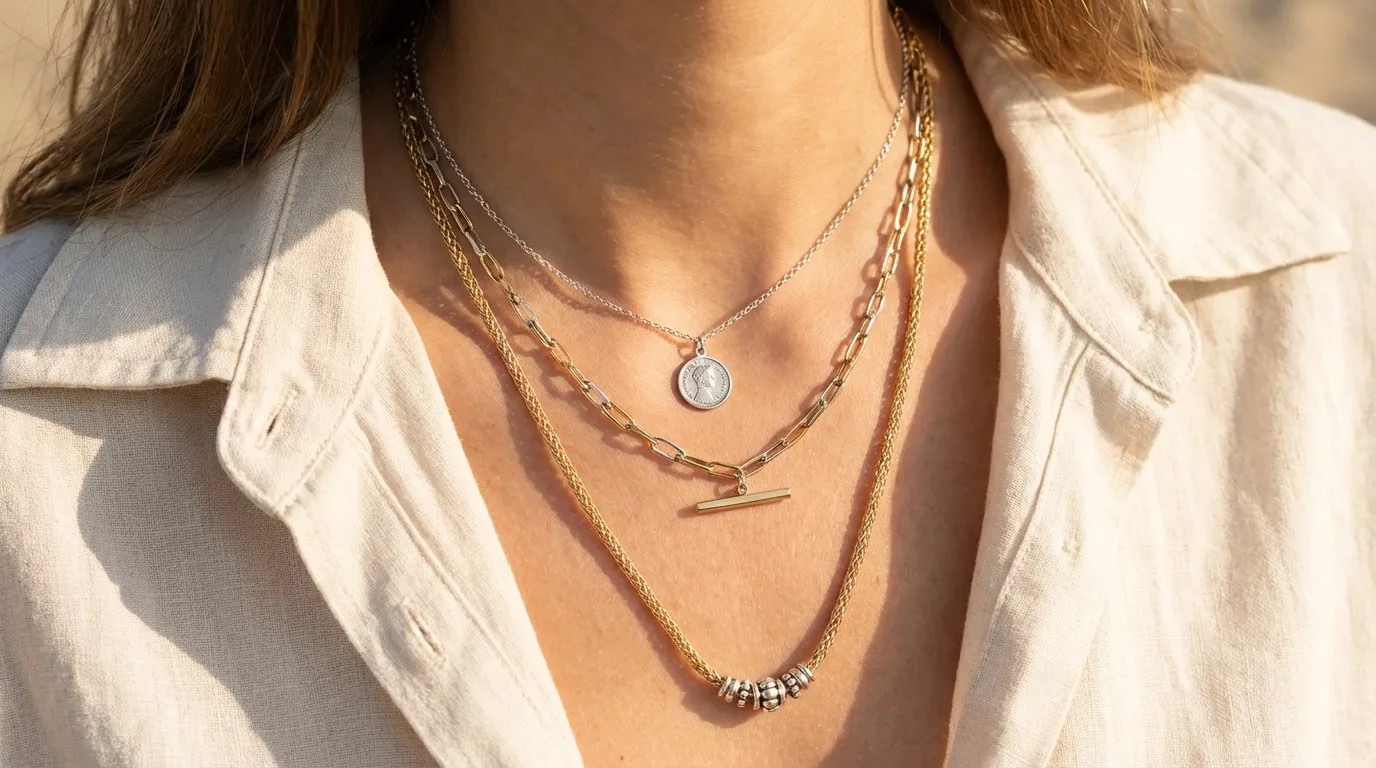
Start with length variation. Each necklace should sit at a distinctly different level:
- 14–16 inches — sits at the base of the throat (choker or collar length)
- 18 inches — classic length, sits just below the collarbone
- 22–24 inches — princess to matinee length, falls on the chest
- 28–30 inches — opera length, works as a long pendant necklace
Two necklaces need at least 2 inches of separation. Three necklaces need 3–4 inches between each.
Mix pendant styles. Combine one plain chain with one chain that has a pendant — the contrast prevents them from visually merging into a tangled mass. If you use two pendant necklaces, make them very different in size and shape.
Vary chain thickness. Pair a fine chain (1–1.5mm) with a slightly heavier one (2–3mm). The difference in weight keeps each piece distinct even when they sit close in length.
Try the starter combo: A 16-inch plain sterling silver chain plus a 22-inch pendant necklace. Add a 28-inch delicate chain with a small stone if you want a third layer.
Browse our necklaces collection for pendant and chain options across multiple lengths.
How to Stack Rings
Ring stacking has become one of the defining jewelry trends — and it is one of the easiest to pull off because rings are small enough that the stakes feel low.
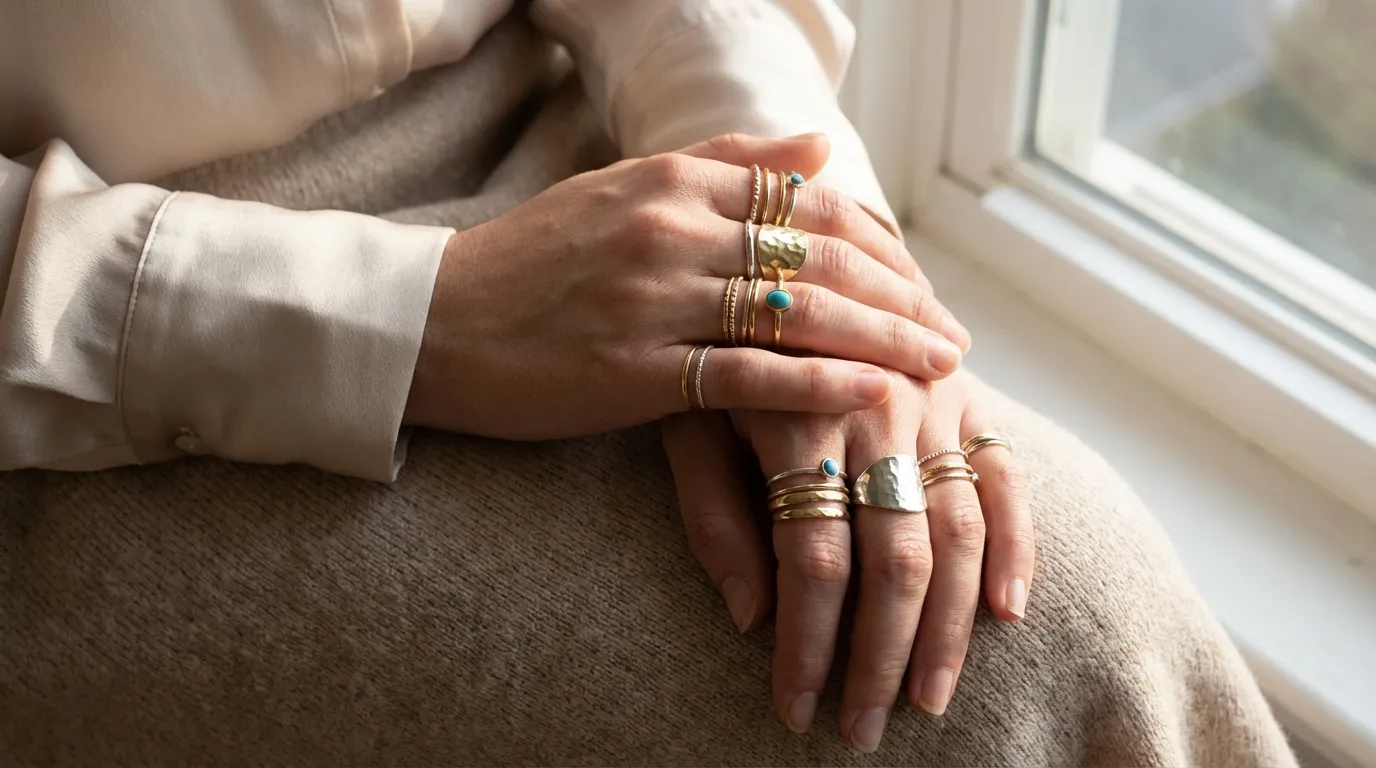
Mix band widths. Thin stacking bands (1–2mm) sit best when combined with at least one wider or more substantial ring (4mm+). All thin bands look unintentional; all thick bands look heavy.
Spread across fingers. You do not need to put every ring on the same finger. A ring on the index finger, one on the middle finger, and one on the ring finger reads as curated stacking. All rings on one finger is a bolder statement look.
Balance stone placement. If you wear a statement ring with a larger stone, keep the other rings on the same hand minimal — thin plain bands or rings with very small stones. The statement ring is the focal point; other pieces frame it.
Mix metal finishes intentionally. A gold band alongside a silver one alongside a rose gold one only works if there is a clear pattern — for example, alternating metals, or rose gold ring plus yellow gold stud earrings to create a warm metal theme across the look.
Explore our rings collection for stacking bands and statement pieces.
Earring Combinations That Work
Most people treat earrings as a single-piece decision. But the studs-plus-huggies combination has completely changed how earrings are styled.
Studs and huggies. If you have multiple ear piercings, combine small diamond or moissanite studs in the upper piercing with huggies or small hoops in the lobe. The smaller upper stud and larger lower huggie create a tiered effect.
Mix sizes in the same ear. In the lobe: a larger hoop or drop earring. In the cartilage (if pierced): a flat back stud in a contrasting but complementary metal. This creates a finished, editorial look that does not require multiple pieces to be matching.
One bold, one understated. If you are wearing statement earrings in one ear (or feature a single standout piece), keep the other side minimal. Bold geometric earring plus a simple small stud on the same side, nothing on the other — that is a perfectly intentional asymmetric look.
Find earring options for stacking and pairing in our earrings collection.
Bracelet Stacking
A well-built bracelet stack looks intentional. A random pile of mismatched pieces does not.
The stack formula: One tennis or chain bracelet as the base, one bangle or cuff for structure, one delicate chain bracelet for lightness. Three pieces in three categories — each brings something different.
Vary the texture. Combine a smooth tennis bracelet with a hammered or twisted bangle, then add a thin plain chain. The mix of refined and textured prevents everything from blending together.
Proportion matters. All bracelets in your stack should feel proportional to each other and to your wrist. Very delicate bracelets can get visually lost next to a wide cuff. If you love delicate pieces, stack 3–4 of them together and leave the cuff out.
Side note on tennis bracelets: A moissanite tennis bracelet is one of the strongest anchor pieces you can use for a stack. It has enough presence to hold its own while remaining flexible enough to combine with almost anything. Read our full moissanite tennis bracelet buying guide for sizing and selection tips.
Browse bracelet options in our bracelets collection.
Layering for Different Occasions
The same layering principles apply across occasions — the pieces you use just shift in scale and formality.
Work: Keep it restrained. Two necklace layers maximum, thin stacking rings on one or two fingers, stud earrings. The goal is polished without being distracting. Silver tones read as professional; keep statement pieces minimal.
Casual daytime: This is where layering shines. Three necklace layers, multiple rings across different fingers, a bracelet stack. The relaxed context tolerates more pieces without looking overdressed.
Evening out: Elevate a single category instead of adding more pieces. For dinner or an event, a statement earring with a simple pendant necklace and minimal rings lands better than a fully stacked look competing with formal clothing. Let one piece be the moment.
Gift context: Looking for pieces that layer well as gifts? See our full jewelry gift guide for curated picks by budget — many are selected specifically for their layerability.
Mixing Metals: Yes or No?
Yes. Mixing metals is encouraged.
The outdated rule that you must match all your metals comes from a more conservative era of jewelry styling. Modern fashion has moved entirely past it. Today, intentional mixed-metal layering is a hallmark of curated, personal style.
How to mix metals well:
- Choose one dominant metal and let the other appear as an accent (70/30 ratio)
- Link metals across categories — if you wear a gold ring, add a gold detail somewhere in your necklace or earrings for cohesion
- Warm metals (yellow gold, rose gold) pair naturally together; cool metals (silver, white gold, rhodium) pair together; mixing warm and cool is bolder and works best with intentional contrast
The only scenario where mixed metals look unintentional is when they are genuinely random — different metals on every finger with no relationship to each other. Bring in a repeating element (one gold piece per category, for example) and the mix becomes a system rather than an accident.
Frequently Asked Questions
How many necklaces should you layer? Two to three is the sweet spot. Start with two — a shorter piece (14–18 inches) and a longer pendant (22–26 inches). Add a third only if there is clear visual separation between all three.
Can you mix gold and silver jewelry when layering? Yes. Choose one metal as dominant and let the other appear as an accent. Intentional contrast adds visual interest rather than looking mismatched.
How do you layer bracelets without it looking messy? Vary the texture and weight of each piece. Combine a delicate chain bracelet with a bolder tennis bracelet and a simple bangle — the contrast between styles creates intentional layering.
What is the rule for layering necklaces? Vary chain lengths by at least 2 inches between each piece so they sit at visibly different levels. Mix one plain chain with one pendant chain. One statement piece supported by simpler ones.
Browse and Build Your Stack
The best layered looks start with a few versatile pieces you love, then build from there. Start simple — one necklace layer you wear every day — and add from that foundation.
Explore our collections by category to find your starting pieces:
- Necklaces — chains, pendants, and layering sets
- Rings — stacking bands and statement rings
- Earrings — studs, huggies, and hoops for combining
- Bracelets — tennis bracelets, chains, and bangles
For hypoallergenic options (safe for sensitive skin), all Goldmacher pieces are 925 sterling silver and nickel-free. Read our hypoallergenic jewelry guide for what to look for when shopping.